

- Kunjungi toko kami di Jl. Tebet Barat Dalam II No. 12, Tebet Jakarta Selatan.
- Pesan lewat Telpon/WA/SMS di 0859 3500 2020
- Klik Disini Untuk Pesan Online atau email di info@CupcakesJakarta.com.
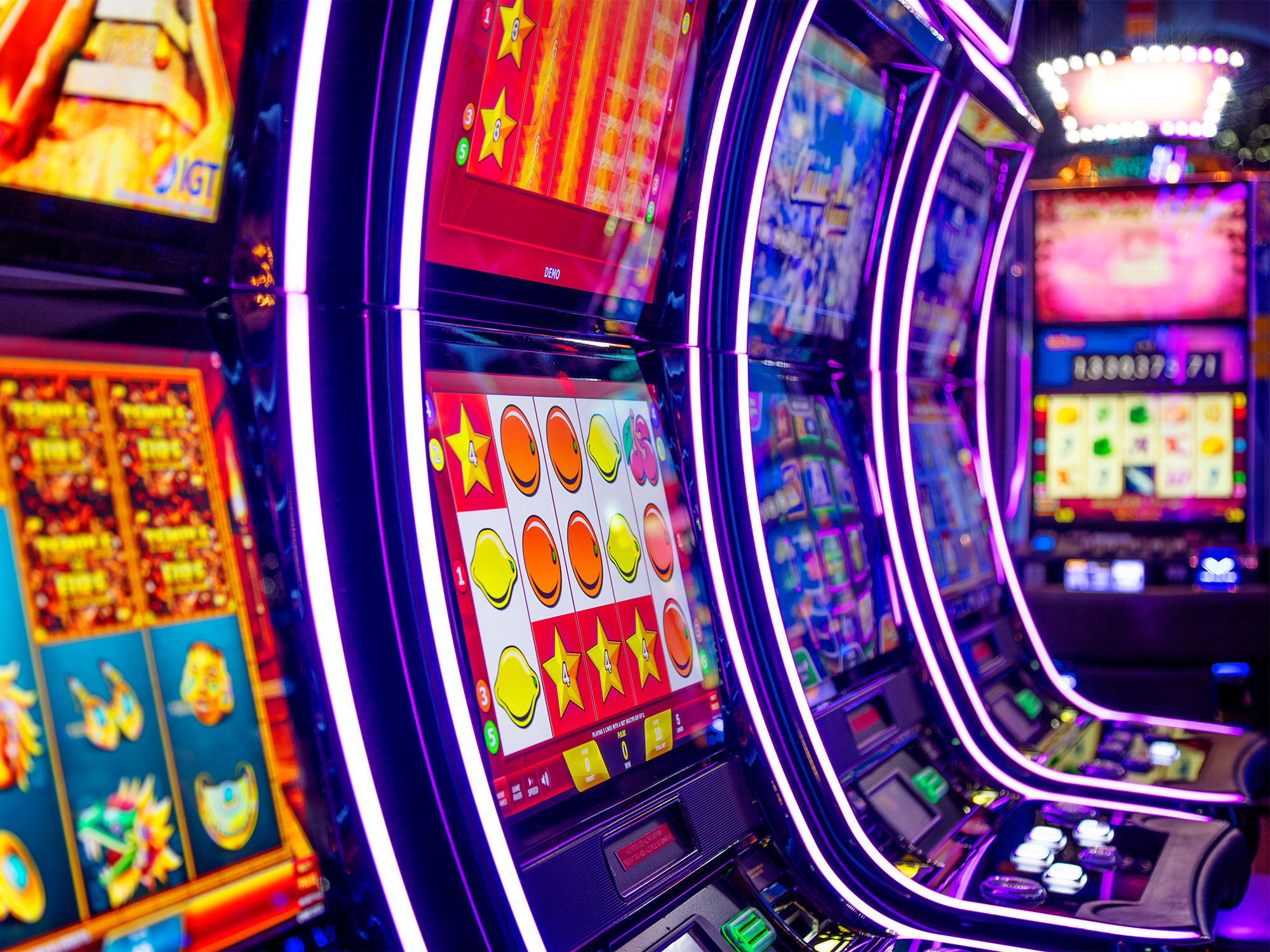
Table of Contents
- Introduction: The Convergence of Design and Motion in Casino UX
- Why UX Design Matters in Online Casinos
- The Role of Motion and Animation
- When Sound Becomes Strategy: Audio in Casino Platforms
- The Psychology Behind Player Engagement
- Designing Interfaces That Breathe and Move
- Microinteractions and Why They Matter
- Consistency, Branding, and Emotional Memory
- A Glimpse Into the Future of Casino Experience
- FAQ
- Conclusion
Design Meets Motion – How UX and Audio Shape Engagement
If you have ever wandered into an online casino late at night, curious more than committed, you may have noticed that feeling of instant immersion. Lights flash but not chaotically, sounds pulse in rhythm, buttons ripple subtly as you hover over them. None of this is random. Every animation, every sound cue, every flicker of visual motion has a carefully designed purpose: to keep you engaged, relaxed, and, ideally, returning. The line between digital art and psychology blurs here, forming the unique discipline that shapes the way players experience modern online casinos.
Among the most vibrant examples is Plinko Online, where movement, color, and sound blend to create a seamless sensory loop. It is fascinating how such design decisions can tune a player’s emotional rhythm, pacing interaction in ways that feel intuitive, even natural. In well-crafted gambling platforms, aesthetics and sound don’t merely decorate a game—they guide behavior.
Why UX Design Matters in Online Casinos
At a glance, online casinos may appear to be just another form of entertainment software—bright buttons, fast registration, bonuses flashing across banners. But dig a little deeper and you realize that the design of the interface essentially defines the entire gambling experience. User Experience (UX) design is what determines if players perceive the platform as trustworthy, exciting, or exhausting.
The architecture of an online casino’s layout influences how long users stay and how likely they are to deposit funds. A well-thought UX eliminates friction from every small action. You click, you spin, you hear a sound, and your brain follows that rhythm. That is why casino platforms are increasingly designed around flow rather than function. It is no longer enough for a site to work—it must feel right.
The Role of Motion and Animation
Motion design, in this context, acts almost like body language in a conversation. A slight bounce of a winning icon communicates delight, a ripple over the spin button implies readiness. Animation doesn’t just attract attention; it replaces static feedback with kinetic empathy. Each motion can reassure users that the system is alive, aware, and responding to their input.

Developers often study film techniques to master pacing. For example, the delay between pressing ‘Spin’ and the moment the reels stop might last only a second, but that second determines how suspense builds. The motion conveys anticipation, which in itself is a reward. Some experiments even find that players prefer slower animations when the interface communicates clarity rather than speed. There is balance in suspense, after all.
When Sound Becomes Strategy: Audio in Casino Platforms
Sound design is another subtle but powerful psychological channel. In real casinos, the background hum, the ring of coins, the cheers—all evoke collective excitement. Translating that online requires layers of auditory symbols: chimes that indicate success, rising tones for progress, sanctuary-like ambient loops that soften repetitive play. Each cue reinforces user intention.
There is a thin and often invisible threshold between encouraging engagement and pushing overstimulation. Too much sound, and a player might close the window. Too little, and the interaction feels robotic. Skilled audio mixers build emotional landscapes that ebb and flow with the user’s experience, subtly encouraging continued participation without shouting for attention.
The Psychology Behind Player Engagement
Psychology plays everywhere in design. Casinos are natural studies in behavioral economics, and digital gambling takes it a step further with data feedback loops. Designers watch what users do—where they hover, where they pause—and adjust color gradients or sound cues accordingly.
Engagement, after all, is not about trickery but rhythm. A player immersed in a digital slot world is responding to predictable moments of stimulation. The key is subtle variation, not repetition. Change just one element—delay a celebration by a second, change a sound pitch—and you refresh the cycle of attention.
Designing Interfaces That Breathe and Move
The best casino interfaces today resemble living organisms. They adapt, translate moods, and breathe with motion. It’s no coincidence that many platforms now focus on adaptive UX, where each user’s profile slightly changes interface pacing, button vibration (when allowed), or dynamic light tones. That invisible personalization builds trust. The player feels noticed.
This adaptive nature becomes particularly vital as gambling integrates with mobile devices and VR. Touch-based feedback and immersive visuals stand in where physical chips or tables used to. Motion, therefore, doesn’t just fill space—it replaces tactile reality. Without it, digital gaming would feel sterile, hollow.
Microinteractions and Why They Matter
Microinteractions are those tiny bursts of feedback that make an interface lovable. The rotating coin after you win, the glow of a deposit button when funds arrive, even the sound that softly confirms “transaction complete.” These nuances may appear trivial, yet they collectively build emotional memory—subconscious trust in the platform.
Here are two principles designers follow when crafting these micro-moments:
- Keep timing organic. Sudden movements feel scripted, while natural motion reduces friction in perception.
- Link visual and auditory feedback. When you click, you must see and hear response almost simultaneously.
These details form a kind of dialogue between user and interface. The player clicks “Spin” not in isolation but as part of a rhythmic conversation guided by design logic. When everything aligns—color, motion, sound—the experience becomes effortless yet captivating.
Consistency, Branding, and Emotional Memory
Branding, in casino UX, goes well beyond logos or colors. It lives in motion and sound too. A specific chime may carry brand identity more than any icon could. Developers now refer to “sound logos,” short auditory motifs that signify victory or entry. Casinos often blend these with smooth animation transitions so that brand presence rests inside the player’s sensory memory.
Consistency across design channels ensures players subconsciously link reliability to sensory cues. Over time, repetition of particular rhythmic patterns creates what psychologists call “emotional residue.” It means even after the game closes, traces of experience linger in memory, influencing the next return visit.
A Glimpse Into the Future of Casino Experience
Looking ahead, casino experiences will likely become even more multimodal. Haptic vibrations, 3D audio, and adaptive backgrounds that change with user tempo are no longer far-off theories. Artificial Intelligence (AI) may adjust environment settings in real time, reading engagement levels and customizing brightness, animation speed, and audio intensity accordingly.
Perhaps even more surprising is the emerging exploration into bio-responsive design—platforms that read pulse or facial tension through cameras or wearable devices. Imagine a game slowing down when it senses user fatigue, gently shifting from bright, rapid lights to softer visuals. Technology turns empathy into algorithm. And maybe, that balance between excitement and relaxation might one day define the healthiest forms of digital play.
From Sound to Sight: The Cultural Shift
Over the past few years, online gambling has evolved from static lobbies and generic reels into immersive atmospheres of sensation. Sound and design merge to evoke physical presence even when no real casino exists. Cultural expectations have changed—players don’t simply want to gamble, they want to experience. Platforms aware of this emotional shift tend to cultivate loyal communities, not just visiting users.
There are three common mistakes designers still make in this transition:
- Overdesigning with constant movement, causing fatigue instead of excitement.
- Ignoring silence. Strategic pauses can be as powerful as sound.
- Relying on generic visual cues instead of unique tactile metaphors that convey authenticity.
Avoiding these pitfalls means giving users space to breathe between moments of intensity. In many ways, restraint is now the new creativity in UX motion design.
Creating Engagement Through Emotions
When movement and design trigger emotion, engagement follows almost naturally. A soft illumination after a big win doesn’t just indicate success—it acknowledges the player’s effort. The more personal those moments feel, the deeper the satisfaction. Naturally, too much personalization can verge on manipulation, and that ethical edge is something designers are now openly discussing.
Still, emotion remains the core metric. Excitement sells, yes, but comfort sustains. A casino platform that makes a user feel safe, entertained, and visually connected has already succeeded in building engagement far beyond the transaction level.
An Unnumbered Reflection on the Player’s Journey
- First impressions often come from a single animated icon or tone. Subtle, but strong.
- Players quickly form emotional judgments before they even spin or bet.
- Motion and sound become pathways into trust and curiosity, the emotional triggers for returning visits.
All these interactions might seem superficial—but over time, they form relationships between users and platforms. In the world of endless digital offerings, a familiar sound or movement loop can feel like home.
FAQ
Q: Why is UX design so important in online casinos?
A: Because it defines how players feel. Design shapes emotional responses, directing attention and guiding decisions without visible prompts.
Q: How does sound influence user engagement?
A: Sound operates as a subconscious signal. Well-crafted audio design energizes, rewards, and relaxes at specific cues, maintaining engagement without overwhelming the player.
Q: What’s the danger of overusing animation?
A: Overuse can create sensory fatigue, leading to distraction rather than immersion. Motion must communicate, not dominate.
Q: Are casino motion designers artists or psychologists?
A: Perhaps both. They work with rhythm, pace, and perception, bridging aesthetics and emotion to design human-centered experiences.
Conclusion
Design meeting motion is less a technical evolution and more a sensory philosophy. In modern online casinos, every visual twitch and echoing sound is a language aimed at connection. Animation brings system logic to life, while sound gives feedback a heartbeat. Together, they create an immersion that feels intuitive, captivating, and almost alive.
When you consider it, what keeps a player returning might not be the jackpot, the odds, or even the bonus features, but something subtler—the feeling that every action, sound, and motion belongs in a shared rhythm between player and platform. That’s the art of design meeting motion, and perhaps the truest way engagement happens in the digital casino world.